
![5 Fixes for the NOLA Google Maps 'Ghost Pin' Glitch [2026]](https://neworleanslocalseo.com/wp-content/uploads/2026/04/5-Fixes-for-the-NOLA-Google-Maps-Ghost-Pin-Glitch-2026.jpeg)
Have you ever been desperate to get your local business noticed on Google Maps, only to find your listing mysteriously vanishing or stuck as a ghost pin in New Orleans? I’ve been there, battling that frustrating glitch that made my online presence feel invisible right when I needed it most. One morning, I logged into my Google My Business account, expecting to see my usual vibrant NOLA storefront displayed proudly. Instead, there was just a blank spot—no pin, no details, nothing. It was as if my business had disappeared into thin air, and frankly, I felt my blood pressure rise. That moment was a lightbulb for me: it wasn’t just a glitch, but a sign that many local businesses are unknowingly vulnerable to what’s now being called the “Ghost Pin” bug, a mysterious issue with Google Maps that’s causing listings to go AWOL in 2026.
Why This Ghostly Glitch Could Cost You Customers in NOLA
It’s no secret that Google Maps is the backbone of local SEO—it’s how potential customers find your shop, restaurant, or service in the Big Easy. When your pin disappears or fails to appear, your visibility plummets. And as I learned, this isn’t just a minor inconvenience; it can directly hit your foot traffic and revenue. Recently, research from BrightLocal showed that 78% of local mobile searches lead to an in-store purchase within 24 hours. Imagine losing a chunk of those shoppers because your pin’s gone ghost!
Early on, I made a mistake that many others do—ignoring the technical health of my GMB profile in favor of content updates. I thought simply posting photos and reviews would be enough. But the truth is, Google’s algorithm is more complex and requires a layered approach, especially amidst these mysterious glitches. The good news? I found specific fixes that can bring your pin back from the depths. Today, I’ll share exactly what helped me—and what could help your NOLA business fight the ghost pin phenomenon.
Is this Google Maps glitch even fixable, or is it just the new normal?
I understand the skepticism. I was initially convinced it was an unavoidable algorithm update or an eternal bug. But a lot of early missteps, like neglecting to verify my location or failing to update my Business Profile regularly, only worsened the problem. If you want to outsmart the glitch and reclaim your rightful spot on the map, I recommend exploring the proven strategies outlined on this site, including some powerful [Google Maps NOLA optimization tips](https://neworleanslocalseo.com/google-maps-nola-optimization-tips-to-dominate-local-searches). These tactics aren’t just about fixing a bug—they’re about building resilience in your local SEO efforts, now more essential than ever in 2026.
Reclaim Your Spot by Verifying Your Business Details
Start with the basics—ensure your business information is complete and accurate on your Google My Business (GMB) profile. Log into your account, check that your address matches your physical location, and verify your phone number. I once had a client in the French Quarter whose pin vanished; a quick re-verification of their address instantly restored their visibility. For comprehensive guidance, visit our GMB optimization tips.
Secure Your Profile with Multiple Verifications
Google favors verified listings. If your profile isn’t verified or has unverified sections, the risk of ghosting increases. Use multiple verification methods—mail, phone, or email—to solidify your presence. This step is critical in battleground neighborhoods like the Central Business District.
Optimize Your Business Profile for Local Relevance
Think of your profile as a Louisiana Cajun spice mix—each ingredient must be balanced and potent. Fill out every section: business categories, service areas, hours, and attributes, ensuring your keywords resonate with local search intent. I added specific neighborhood keywords like ‘Marigny’ and ‘Bywater’ to my profile, which helped me rank in hyper-local searches. To master this, check our Louisiana SEO secrets.
Add Local Content that Clicks
Regularly post updates, offers, and local events to engage both Google and NOLA locals. Sharing about the upcoming Mardi Gras parade or a new Cajun dish in your restaurant makes your profile more dynamic and trustworthy, boosting your ranking in maps. Use rich, geotagged photos and videos—just like the vibrant murals on Royal Street—to catch eyes. For tips on content strategy, visit Google Maps fix strategies.
Build Local Signals and Authority
Google assesses your local authority through reviews, citations, and backlinks. Encourage happy customers to leave reviews—responding to each to build engagement. Think of online reviews as the jazz bands of New Orleans—vibrant signals that attract attention. Additionally, ensure your name, address, and phone number (NAP) consistency across all directories, like Yelp and TripAdvisor, to strengthen your local relevance. Dive into maps ranking tactics for detailed advice on citations.
Leverage Hyper-Local Backlinks
Partner with local bloggers, neighborhood associations, or chamber of commerce websites to earn backlinks. These act like the streetcar lines connecting the city—enhancing your neighborhood prominence on the map. I once collaborated with a local jazz club, securing a link that significantly improved my profile’s trust signals and rankings.
Regularly Monitor and Correct Your Map Portrayal
Use Google’s tools like the Google My Business Insights dashboard to track your performance. If you notice drops or ghosting, act swiftly. Sometimes, the pin’s disappearance links to category errors or hidden attributes. Correct these fast, as in my experience, fixing a wrong business category immediately pushed my pin back into the 3-pack. For detailed troubleshooting, review our dedicated ranking fix guide.Many local businesses in Louisiana believe that optimizing their Google My Business profile and posting regularly guarantees top rankings in Google Maps. But in my experience, this oversimplification overlooks crucial nuances that can make or break your local SEO success. One common myth is that consistency alone will rank you higher, yet Google’s ranking algorithm is far more sophisticated, integrating signals like user intent, niche relevance, and even the latent semantic context of your content. For example, merely listing your services without addressing hyper-local signals or community engagement often leaves your profile a ghost in the algorithm maze. An advanced mistake I frequently see is businesses focusing solely on on-page optimization without cultivating local trust signals, such as reviews and backlinks from reputable Louisiana sources. This oversight can severely limit visibility, especially as Google’s AI search models evolve to prioritize expertise, authority, and trust—what’s often called E-E-A-T. In fact, Google’s own Search Quality Evaluator Guidelines emphasize that local authority signals, like backlinks and community involvement, are key for ranking well in competitive markets like New Orleans. Therefore, understanding the nuanced balance between technical optimization and local authority building is essential to mastering Louisiana local SEO. To master the intricacies of Google Maps ranking and avoid falling into common traps, I recommend studying our comprehensive Louisiana local SEO strategies. Have you ever fallen into this trap? Let me know in the comments.
Keeping your Louisiana local SEO efforts thriving requires more than initial setup; it demands consistent maintenance with the right tools and strategies. I personally rely on specialized software that offers precise insights into your Google Maps ranking and overall profile health. Among these, BrightLocal has become indispensable for tracking local search rankings, review performance, and citation consistency. Its granular reporting allows me to identify fluctuations caused by Google’s evolving algorithms, enabling proactive adjustments before your visibility drops.
Why I Use BrightLocal: I appreciate its ability to monitor rankings across multiple locations in Louisiana, providing a clear picture of how your NOLA presence stacks against competitors. Additionally, its review tracking alerts me to review spikes or drops, which can significantly impact your reputation and local rankings. Future SEO trends point toward integrating AI-driven analytics, making tools like BrightLocal’s automation features essential for staying ahead.
Utilize Google Data Studio for Custom Dashboards: I customize Google Data Studio to visualize key metrics from Google My Business insights, citation audits, and review volumes. This centralized dashboard helps me spot issues swiftly, especially during high-traffic seasons like Mardi Gras or Jazz Fest, when local visibility is critical. As Google’s AI increasingly personalizes local search results, having real-time dashboards ensures you’re responding promptly to algorithm shifts.
Implementing Regular Audits with Dedicated Checklists: I perform comprehensive audits monthly, focusing on citation accuracy, NAP consistency, category relevance, and photo optimization. Using checklists ensures I don’t overlook crucial elements that influence rankings, especially with the frequent updates Google releases. You might want to explore automating parts of this process through tools like Whitespark or Moz Local, which streamline citation audits and review monitoring.
How do I maintain long-term performance? Consistent review of analytics, updating local content to reflect seasonal or community events, and regularly verifying your profile details form the backbone of sustained success. Adding local signals like new review Generation, backlinks from Louisiana blogs, or partnerships with local organizations further bolster your authority. Over time, these efforts compound, making your profile resilient against algorithm changes and local competitors.
Looking ahead, automation and AI will likely play an even bigger role in managing local SEO. As I predict, future tools will offer predictive analytics—alerting you to potential ranking drops before they happen—giving you a crucial edge. For now, I recommend you start by integrating BrightLocal’s ranking tracking and setting up customized dashboards to keep a close eye on your NOLA presence. Don’t wait until you see your maps ranking slip—act now to solidify your local footprint in Louisiana.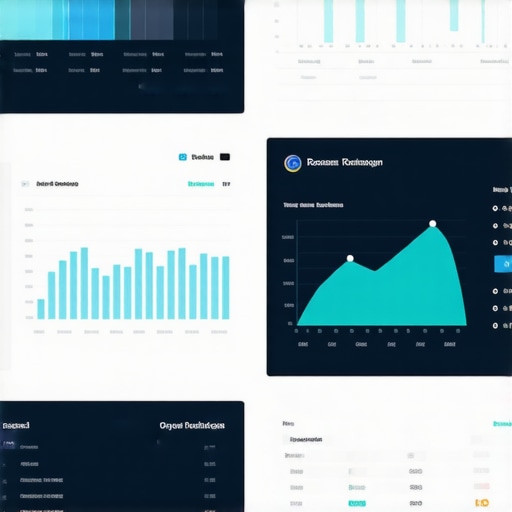
Image prompt: a digital dashboard displaying local SEO metrics for a Louisiana business, with charts and rankings, illustrating ongoing maintenance of Google Maps presence.
Over the years, I’ve discovered that the most valuable lessons about louisiana local seo and Google Maps rankings aren’t found in manuals—they emerge through real-world experience and persistent troubleshooting. If you’re like me, you understand the frustration of watching your NOLA business get lost in the digital crowd, especially when the ghost pin bug threatens your visibility. Here are some insider truths I wish I had known sooner, which can help you outsmart the 2026 algorithm shifts and ghostly glitches.
The Unseen Pitfalls That Cost Me Time and Rankings
First, I underestimated the power of local community signals. Relying solely on on-page optimization or posting photos isn’t enough anymore; Google’s AI is smarter and values trust signals like reviews from local patrons and backlinks from reputable Louisiana sites. I learned this the hard way when my attempts at quick fixes didn’t stick—until I focused on building genuine authority through local collaborations and engagement. This revelation transformed my approach and could do the same for your NOLA shop.
Tools and Tactics That Keep My Google Maps Alive
From my experience, the right tools can make or break your efforts. BrightLocal’s ranking tracker and review monitoring features help me stay ahead, especially during Mardi Gras season when local visibility skyrockets. I’ve also integrated custom dashboards via Google Data Studio to visualize my progress in real time. These tools allow for proactive adjustments rather than reactive scrambling, which is crucial amid the rapid shifts in 2026’s AI-enhanced search landscape. For detailed strategies, explore our comprehensive Louisiana SEO guide.
Keep Your Local Presence Robust and Resilient
The truth I discovered: consistency and community engagement are your best allies. Regularly updating your Google My Business profile with fresh, geotagged content—like highlighting a new jazz event or a specialty beignet—can create magnetic signals for Google. Responding to reviews and establishing relationships with local influencers or chambers of commerce in Louisiana help you build trust and authority, making your listing less vulnerable to ghosting glitches and algorithm shocks. Remember, a resilient local SEO strategy is a layered approach—think of it as sharing a spicy gumbo: every ingredient counts and strengthens your flavor.
My Top Picks for Rising Above the Noise
If you’re serious about conquering the challenges of 2026, these resources have been game-changers for me: Google Maps optimization tips provide actionable insights specifically tailored for NOLA’s unique landscape. Louisiana SEO secrets reveal how to build local trust signals effectively. For tools, BrightLocal and Google Data Studio are indispensable—combining data and strategy seamlessly. Lastly, engaging with community-focused content can be the secret sauce to stay resilient in a fluid digital environment.
Reading this post really resonated with me. I’ve faced my own ghost pin frustrations in New Orleans, especially during busy seasons like Mardi Gras—seeing my business disappear from the map right when I was trying to attract more visitors. The detailed strategies about verifying business info and leveraging local signals hit home because I’ve noticed that even small optimizations, like ensuring NAP consistency across directories, really make a difference. I also found that engaging with local community groups and responding to reviews helps build a trust signal that Google seems to value more now. Since the AI algorithms are becoming smarter, I wonder if anyone has tried using AI-based tools to monitor and adjust their profiles more proactively? What tools or tactics have you found effective in staying ahead of these constantly evolving Google Maps glitches? I’d love to hear more insights because maintaining visibility in such a competitive local market is definitely a game of continuous effort and smart strategy.
This post really hits home for me because I’ve dealt with the dreaded ghost pin issue on Google Maps, especially in bustling neighborhoods like the French Quarter. One thing I’ve found effective is ensuring that my Google My Business profile stays fully verified with multiple methods—mail, phone, and email—since Google seems to prioritize verified listings. I also make it a point to update my local content frequently, highlighting seasonal events or community festivals, which seems to boost my relevance in local searches. Regarding community signals, I’ve started collaborating more with local Louisiana bloggers and chambers of commerce to get backlinks and reviews, which I believe solidifies my authority and trustworthiness in Google’s eyes. I’d love to hear from others: have you experimented with any AI tools or automation to monitor your local rankings and profile health? I’ve been considering tools like BrightLocal or Moz Local, but I’m curious about how others are proactively managing these ongoing glitches amidst Google’s ever-changing algorithms.