It was a scorching Saturday afternoon when I realized my beloved French Quarter boutique wasn’t showing up on Google Maps anymore. Despite having a vibrant storefront and happy customers, virtual foot traffic was dwindling, and online searches for my shop seemed to overlook me completely. That lightbulb moment hit hard—how could I be invisible in the very digital space that should be driving my business?
Get Your Local Presence Back on Track
If you’ve ever faced the frustration of not appearing in local searches, especially in a competitive area like the French Quarter, you’re not alone. Many shop owners discover too late that their visibility issues stem from overlooked technical and optimization mistakes. But here’s the good news: with targeted tweaks, you can reclaim your spot on Google Maps and outrank your local rivals. Today, I’ll walk you through the most common pitfalls—and more importantly, how to correct them to boost your local rankings.
Could Your Digital Visibility Be a Hidden Problem?
Early in my journey, I made a rookie mistake: I ignored updating my Google My Business (GMB) profile after a significant renovation. That oversight cost me valuable local exposure. According to a BrightLocal survey, 78% of local mobile searches result in an offline purchase, yet many business owners fail to optimize their listings properly. Neglecting crucial signals like accurate categories, photos, and reviews is a surefire way to stay invisible in the crowded New Orleans market.
Luckily, fixing these issues isn’t just guesswork. Techniques like proper GMB optimization or correcting map pin errors can dramatically increase your visibility. In the upcoming sections, I’ll guide you through proven tactics to turn your map rank around—and start attracting more local customers today. If this resonates with you, keep reading, because reclaiming your place at the top is more achievable than you might think.
Start with a Complete Google My Business Profile
My first move was auditing my GMB profile, ensuring every section was filled out meticulously—think of it as filling every nook and cranny of a storefront window to attract passersby. I updated my business name, address, and phone number, making sure they matched my website and local directories precisely. This consistency signals to Google that my listing is legitimate, helping improve my local rankings. Remember, incomplete profiles are like empty shelves—customers and search engines alike overlook them. For detailed optimization tips, check out this guide.
Leverage Local Keywords Strategically
Earlier, I mistakenly overlooked incorporating local keywords into my GMB description and posts. To fix that, I integrated phrases like “French Quarter boutique” and “New Orleans gift shop” naturally into my profile and website content. Think of these keywords as breadcrumbs that guide Google’s algorithm to understand your business context. Apply tools like Google Keyword Planner or SEMrush to discover high-impact local terms, then weave them into your titles, descriptions, and service categories. This targeted approach acts like a magnet, pulling in nearby customers searching for exactly what you offer.
Gather and Manage Customer Reviews
One mistake I made early on was ignoring review requests, which cost me visibility. Reviews are social proof, and Google values them highly. I set up a straightforward process: after each purchase, I politely asked customers to leave feedback. Encouraging genuine reviews increases your credibility, akin to glowing testimonials in a shop window. Respond promptly to reviews—thank 5-star feedback and address negative ones tactfully—as it signals active engagement to Google. For strategies tailored to NOLA, see this resource.
Optimize Photos and Virtual Presence
Photos are your virtual storefront—sharpening mine with high-quality images of my shopfront, products, and interior made a noticeable difference. I used descriptive filenames and filled out the alt text with relevant keywords, making my images more discoverable in local searches. This not only attracts visitors but also enhances your profile’s credibility. Additionally, adding videos or 360-degree virtual tours can boost engagement, much like an inviting window display. For tips on photo optimization, explore this article.
Build Local Citations Consistently
Linking my business on reputable online directories was crucial. I submitted consistent info to platforms like Yelp, TripAdvisor, and niche local directories, ensuring NOLA-specific sites recognized my shop. Think of citations as digital street signs pointing customers right to your door. I avoided mismatched or outdated listings, which can confuse Google and harm rankings. Regular audits using tools like Moz Local keep these citations uniform, reinforcing my local presence. Learn more about citation strategies at this link.
Engage Locally on Social Media and Forums
Active participation on platforms like Instagram, Facebook, and community forums helped me foster local connections. I shared updates, responded to comments, and highlighted community events, making my business more relatable. Social signals, while not direct ranking factors, increase awareness and can generate backlinks—another boost for local SEO. Think of it as neighborhood word-of-mouth, amplified online. To maximize impact, include location-specific hashtags and partner with local influencers.
Tackle Technical SEO Issues Promptly
Finally, I tackled any technical hiccups, like map pin inaccuracies and duplicate listings. These issues can hide your business from Google Maps or push it to lower positions. For instance, I used these tips to resolve my verification bans and X to correct map pin errors. Regularly monitoring your profile health using Google Search Console or local SEO tools ensures your listing remains optimized and competitive in NOLA’s bustling market.Many local business owners and SEO practitioners believe that optimizing their Google My Business (GMB) profile and focusing on local keywords are enough to dominate Louisiana maps rankings. However, this is a common misconception. In my experience, most people overlook the subtle intricacies of Google Maps algorithm behavior, especially in highly competitive markets like New Orleans. For instance, one widespread myth is that consistent NAP (Name, Address, Phone number) citations alone can secure top spots — but the truth is, Google’s ranking system considers a web of signals, including trust and authority factors that many neglect. If you think stuffing keywords or piling on citations is enough, you’re setting yourself up for disappointment. Instead, focus on building a holistic local SEO strategy that emphasizes user experience, review quality, and local signals. For example, advanced tactics like leveraging niche community forums, optimizing for voice search, and understanding local trust signals can give you an edge. According to Moz’s Local Rank Factors study, trustworthiness and engagement can surpass citation volume in importance for rankings. That said, beware of the map pin placement mistakes that can cause your business to be shadow-banned or invisible—these technical errors may look minor but have significant impacts. Always double-check your map pin accuracy and ensure your listing isn’t duplicated or flagged as suspicious, which leads to ranking drops. Ready to sharpen your NOLA local SEO game? Dive deeper into proven tactics like this comprehensive guide. Have you ever fallen into this trap? Let me know in the comments.
How do I keep my maps ranking strong over time?
Maintaining a top position on Google Maps and local SEO in Louisiana requires consistent effort and the right tools. Personally, I rely on a combination of advanced software and manual checks to ensure my listings stay optimized and competitive. One tool I swear by is BrightLocal, which offers local SEO audits and citation tracking. It helps me identify outdated or inconsistent listings across multiple directories, ensuring my NOLA-based business remains trustworthy in Google’s eyes. Additionally, SEMrush’s local SEO toolkit provides valuable keyword tracking and competitor analysis, so I can adapt to shifting ranking factors and stay ahead of the curve. Incorporating these tools into my routine allows me to spot issues early—think duplicate listings, incorrect NAP details, or broken maps pins—and address them proactively. As local SEO algorithms evolve, I predict that automation and AI-driven audits will become the norm, simplifying upkeep and increasing accuracy. To really cement your local presence, consider setting up a regular schedule—say, monthly—using these tools to audit your Google My Business (GMB) profile and citation consistency.
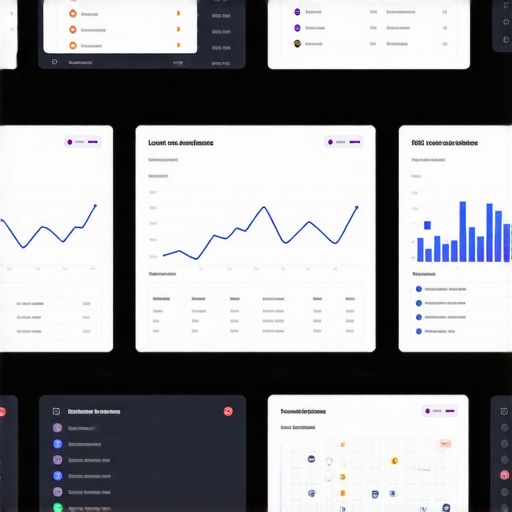
Optimized local SEO tools dashboard displaying citation management and ranking analytics.
3 Surprising Truths That Changed My Approach to Maps Ranking in Louisiana
One of the most profound lessons I learned was that Google Maps algorithms favor consistent, quality engagement over mere citation volume. It’s easy to assume that piling up as many listings as possible will boost your local rank, but the reality is that trust and authentic customer interactions weigh much more heavily. Another revelation was that technical missteps like map pin errors and duplicate listings can quietly sabotage your efforts—making diligent audits and regular profile checks essential. Finally, I discovered that community involvement and social proof are powerful; by actively engaging with local forums and encouraging genuine reviews, I built a digital reputation that Google recognizes and rewards, ultimately driving more foot traffic to my shop.