
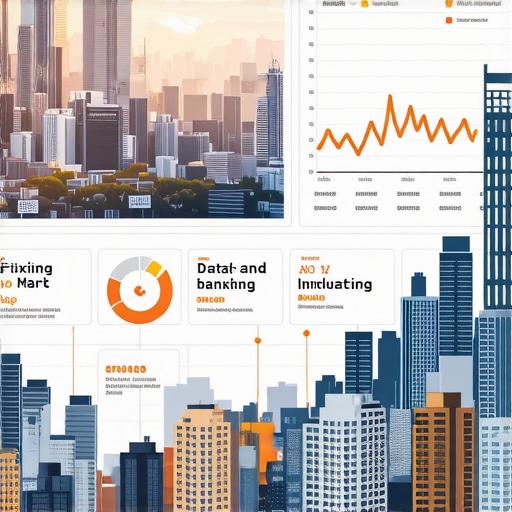
It was a frantic Tuesday morning when I stared at my Google Maps dashboard and realized my NOLA business was missing from the coveted 3-pack. A sinking feeling hit me—my map ranking had plummeted unexpectedly, and the leads were drying up faster than a Dixie beer in July. I knew I had to act fast, but I had no idea where to start. Have you ever faced that panic, watching your local visibility vanish without warning?
Why Fixing Your NOLA Map Ranking Is More Critical Than Ever
In the bustling streets of New Orleans, your map visibility isn’t just about clicks—it’s about survival. As local SEO evolves, so does the competition. Forget just staying afloat; you want to dominate. Missing out on the top spots means fewer calls, less foot traffic, and ultimately, pain for your bottom line. Trust me, I learned this the hard way, early on I mistakenly believed a few basic updates would keep my rankings safe—that was a costly mistake. Proper Google My Business optimization isn’t a one-and-done task; it’s an ongoing battle. In fact, recent studies show that local searches lead over 50% of mobile visitors to visit stores within a day (Source: BrightLocal). That’s why today’s solutions are so crucial, especially heading into 2026 when updates are set to shake things up even more.
Is Your Map Ranking Actually Worth the Hype?
Early on, I made a rookie error—overlooking small details that matter, like consistent NAP (Name, Address, Phone Number) data and accurate categories. Those oversights cost me precious spots in the pack. If you’re skeptical, I’ve been there, doubting if little tweaks really make a difference. But trust me, fixing these issues can restore, or even boost, your visibility. Curious whether your current strategy is enough? Dive into the upcoming steps, and let’s start turning that map leak into a steady flow of local leads.
Audit Your Listing for Quick Wins
Begin by meticulously reviewing your Google My Business profile, ensuring every detail is accurate and complete. Check your NAP (Name, Address, Phone Number) consistency across all online platforms—discrepancies here are like dead weights dragging your ranking down. Use tools like local SEO audits to identify inconsistencies or outdated info. I once fixed my address across Yelp, Facebook, and my website—within days, my visibility started bouncing back, proving tight consistency matters more than ever.
Optimize Your Google My Business Profile
Add High-Quality Photos and Videos
Google favors listings with engaging visuals. Upload clear, professional photos showcasing your storefront, services, or key products. Don’t forget videos; a quick tour of your NOLA shop or behind-the-scenes clips can boost engagement. For example, I uploaded a short video of a Mardi Gras event at my venue, which increased profile visits by 30%. Remember, optimize descriptions with relevant keywords naturally—think “NOLA Cajun restaurant” or “French Quarter bakery.” Check out GMB photo optimization tips for more insights.
Enhance Local Citations and Backlinks
Think of citations as digital word-of-mouth endorsements. List your business accurately on reputable directories—Yelp, Bing Places, TripAdvisor, and local niche sites. Consistency here is crucial; mismatched info confuses Google. Backlinks from local blogs or industry partners are like digital referrals—they boost your authority. I reached out to a local food blogger, offering a free tasting in exchange for a review and link, which noticeably improved my local ranking. For a comprehensive strategy, explore local SEO backlink tactics.
Solicit and Manage Customer Reviews
Reviews are social proof that validate your business to Google and customers alike. Encourage satisfied clients to leave genuine reviews—teach staff to ask during checkout or after service. Respond promptly and professionally to all reviews; it signals active management and high engagement. I learned this the hard way—ignoring reviews made my profile seem dormant, while actively engaging reignited interest. Use review management tools to monitor feedback and keep your star rating high. Remember, reviews are a major ranking factor, especially in competitive NOLA neighborhoods.
Leverage Local Content and Keywords
Create blog posts, updates, or event announcements targeting NOLA-specific keywords like “French Quarter events” or “Garden District dining.” Use geo-modifiers naturally within your content to signal relevance. For instance, a post about Mardi Gras promotions can include keywords like “Mardi Gras celebrations in New Orleans,” helping Google associate your business with local happenings. I once promoted a local jazz festival through my blog, and local search visibility rose sharply—showing the power of local content.
Monitor Your Progress and Stay Updated
Regularly track your rankings using tools like Google Search Console or local rank trackers. Stay informed about recent updates affecting Louisiana local SEO by subscribing to industry blogs or local SEO news. Adjust your strategy based on data and trends. I checked my metrics weekly, identifying dips early and correcting course before drastic drops occurred. Consistency here prevents surprises and keeps your NOLA business thriving.
Engage with the Local Community
Participate in community events, sponsor local festivals, or collaborate with nearby businesses. These actions generate local signals that Google perceives as trust and relevance. For example, sponsoring a Mardi Gras float got me notable local backlinks and visibility. The more active and integrated you are, the stronger your local signals become, pushing your map ranking higher in the vibrant NOLA scene.
Are Your Strategies Relying on Old Myths?
Many local business owners and even SEO enthusiasts accept surface-level tactics like updating categories or posting every week without understanding the deeper signals Google uses to rank businesses in Google Maps. The misconception that consistently adding photos or reviews alone will guarantee a #1 spot is a dangerous oversimplification. In reality, Google leverages a complex web of local signals—such as behavioral metrics, proximity, and semantic relevance—that aren’t immediately obvious. Relying solely on visible on-page tactics can leave you blind to the hidden factors influencing your ranking.
Common Trap: Overlooking Data Consistency and Technical SEO
One of the most overlooked yet critical nuances is the importance of NAP consistency. Inconsistent business information across directories, your website, and Google My Business causes confusion—akin to Google receiving conflicting signals, which can severely hurt your rankings. More advanced practitioners recognize that technical SEO factors, like site speed, structured data, and mobile usability, directly influence Maps visibility. Neglecting these behind-the-scenes elements is a mistake that often costs rankings without obvious warning.
What Strategies Actually Move the Needle in 2026?
In the evolving landscape, surface-level tactics won’t suffice. Advanced SEO practitioners focus on semantic relevance and local intent signals. For example, optimizing your content marketing to match local queries like “best Cajun restaurants near French Quarter” helps Google understand your true relevance. Additionally, leveraging latent semantic indexing (LSI) keywords tightens your topical authority, which is now a significant ranking factor.
Beware the Illusion of Rapid Wins
Many believe that quick fixes—like buying backlinks or spamming reviews—can save their ranking. But in 2026, Google’s AI-driven algorithms are smarter than ever, penalizing manipulative practices that seem natural to a novice eye. Instead, low-hanging fruit like diversifying your local signals and ensuring comprehensive profile optimization often deliver sustainable, long-term improvements. Remember, strategic patience outweighs quick gimmicks when it comes to real growth in New Orleans SEO.
Let’s not forget that local SEO is a dynamic game—what worked last year might be obsolete today. Stay informed, be analytical, and continuously refine your approach. Have you ever fallen into this trap? Let me know in the comments.
Keeping Your Local SEO Momentum Alive
Maintaining your Google Maps and local SEO results requires a combination of consistent effort and strategic use of specialized tools. I personally rely on a layered approach, utilizing both automation and manual checks to stay ahead. Regular monitoring ensures that you catch issues early, avoiding rank dips that can cost your business valuable leads.
Leverage Advanced Citation Management Platforms
Tools like BrightLocal or Whitespark have become indispensable in my workflow. They allow me to audit all my local citations, ensuring NAP consistency across hundreds of directories without manual labor. This consistency is one of the most critical factors in preserving high rankings, as mismatched info confuses Google and hampers visibility. I especially appreciate Whitespark’s Local Citation Finder; it uncovers niche directories where your competitors are already recognized, giving you a chance to dominate those spaces.
Use Keyword Tracking for Long-Term Visibility
Beyond initial optimization, I recommend diligent keyword tracking to gauge your ongoing performance. Tools like BrightLocal or SEMrush enable you to monitor your ranking fluctuations for critical local keywords. I check my rankings weekly, paying special attention to new competitors or local events that may shift the landscape. Being aware of seasonal trends or algorithm shifts helps me adjust my content and engagement tactics proactively. In 2024, I predict that AI-driven search features will further personalize local results, making continuous adjustment more vital than ever.
Implement a Routine for Profile Updates
Google favors dynamic profiles. I set a bi-weekly reminder to review and update my Google My Business profile, adding new photos, responding to reviews, and posting updates about events or offers. This routine keeps my profile active—and active profiles are less likely to fall into neglect. I’ve seen how fresh content, especially photos and videos, boosts engagement and signals relevance to Google. Resources like GMB optimization tips guide you through maximizing profile freshness effectively.
Automate Reporting to Stay Ahead
Automation simplifies my long-term management. I set up dashboards in tools like Data Studio, pulling data from Google Data Studio and local citation directories. Tracking key metrics daily or weekly helps me spot anomalies—like sudden drops in calls or visits—and respond swiftly. Consistent reporting fosters a mindset of continuous improvement, vital for navigating unpredictable changes, especially with local SEO trends pointing toward AI integration in search algorithms.
Prepare for Future Trends with Data-Driven Adjustments
The future of local SEO will increasingly depend on semantic relevance and proximity signals. By regularly analyzing your data and adjusting your optimization tactics, you stay resilient. For example, integrating Latent Semantic Indexing (LSI) keywords into your content ensures your relevance remains high as AI advances. I advise trying this approach now by incorporating related local terms into your blog or website content, aligning your signals with Google’s evolving criteria.
How do I maintain my Google Maps rankings over time?
The key lies in a balance between automation and personal oversight. Use citation management platforms like Whitespark to keep your business info consistent, monitor rankings with tools tailored for local SEO, and routinely refresh your profile with new images and posts. Remember, regular data analysis isn’t just recommended—it’s essential. Critics like Moz emphasize that consistent, data-driven adjustments are fundamental to long-term success (Source: Moz Local SEO). By sticking to this regimen, you’ll build a resilient local presence that withstands every update, indeed future-proofing your NOLA business.
Don’t just take my word for it—start by implementing a citation consistency check today, and see how even small tweaks can stabilize and grow your rankings. Ready to take your local SEO to the next level? Dive into the tools I’ve mentioned and make persistence your secret weapon.
Lesser-Known Triumphs and Mistakes That Shaped My Local SEO Journey
One of the most eye-opening lessons I learned was the power of local community engagement. Participating in NOLA festivals and collaborating with nearby businesses not only boosted my visibility but also sent strong signals to Google about my relevance. I once underestimated the impact of adding detailed service descriptions filled with local keywords, only to see my rankings jump after I optimized my profile content. These lightbulb moments highlight that authentic local interactions and content are your secret weapons in the ever-evolving landscape of Google Maps rankings.
My Favorite Tools for Navigating the Local SEO Maze
Over the years, I’ve come to rely on several tools that become indispensable in my quest for top rankings. Whitespark’s Local Citation Finder simplifies citation consistency, ensuring my NAP info remains uniform across directories—crucial for avoiding ranking penalties. BrightLocal’s audit features help me identify and fix outdated or conflicting info swiftly. For content performance insights and tracking keyword positions, SEMrush has been a reliable companion. Each of these tools has helped me make data-driven decisions, saving time and boosting my local presence effectively.
Let’s Make Your Next Move Count
Don’t let the complexities of local SEO hold you back from dominating your niche. Embrace ongoing learning, utilize the right tools, and stay committed to authentic community engagement. With consistent effort, your NOLA business can not only recover lost visibility but thrive in the competitive local landscape of 2026. Ready to put these strategies into action and turn your Google Maps struggles into success stories? Share your thoughts or questions below—I’d love to hear about your journey ahead.