
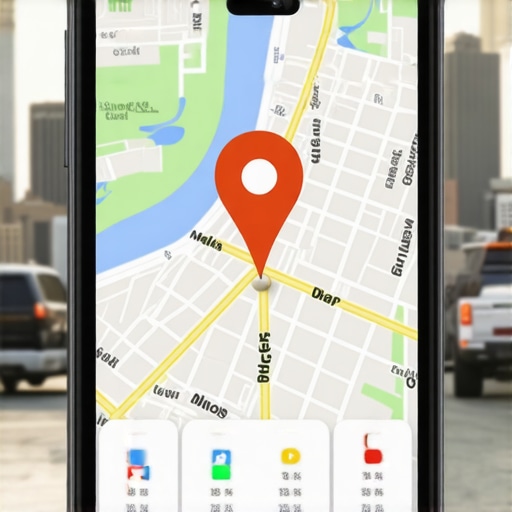
There was a moment last week, right in the heart of the French Quarter, when I was trying to direct a tourist to a new café. I pulled up Google Maps, handed over my phone, only to see the dreaded red pin floating somewhere entirely off the beaten path. That sinking feeling hit me—it’s frustrating when your map just refuses to cooperate, especially in a vibrant city like New Orleans where every street has a story and a secret. It reminded me of a larger truth: even with all our tech, local SEO and map accuracy can still be stubborn beasts.
Why Fixing Your Google Maps Pin Matters More Than Ever in 2026
In today’s hyper-local economy, your Google Maps pin isn’t just a dot on a screen; it’s the digital storefront that decides whether a potential customer walks through your door or scrolls past. When your pin drops in the wrong place or disappears altogether, you risk losing visibility, trust, and those valuable nearby foot traffic opportunities. And here’s a staggering fact—according to a recent study, 70% of local searches result in an in-store visit within 24 hours, but only if your listing is accurate and visible. That means fixing pin drops isn’t just technical; it’s essential business strategy.
Is Your Online Presence Really Worth the Hype?
Honestly, I made a mistake early on—thinking that once my Google My Business profile was set up, I was done. Turns out, neglecting regular updates and ignoring location cues can cause your pin to drift or vanish. That’s a mistake I learned the hard way, and it’s a trap many local businesses fall into. To really dominate New Orleans’ bustling map scene, you need to be proactive, not reactive. Want to discover the proven methods that helped me regain control over my map presence? Stay tuned, because I’m about to share the top five tactics that will get your pin dropping in the right spot—every time. For more insights on mastering local SEO in New Orleans, check out our comprehensive guide here.
Claim and Verify Your Google My Business Listing
The first step I took was claiming my business on Google My Business. If your listing isn’t verified, Google won’t trust your location, and your pin may not appear accurately. I navigated to the Google Business Profile manager, followed the verification prompts—either by postcard, phone, or email—and waited. Once verified, I optimized my profile with accurate business details, hours, and categories. This simple act boosts your map presence and lays the groundwork for further improvements.
Optimize Your Physical Address Consistency
Many businesses overlook tiny discrepancies in their address, which can cause Google to distrust your location. I checked my address across all platforms—website, Facebook, directories—and made sure it matched exactly, including suite numbers and abbreviations. In Louisiana, where many streets share similar names, consistency is king. Visit your local SEO guides for detailed formatting tips. Discrepancies lead to misplacements or invisibility in local searches.
Use Precise Geo-Tagging on Your Website and Content
I embedded maps and geo-tags on my website, tagging the exact location of my shop. This signals Google of my precise spot—imagine it as dropping a pin that Google’s algorithms can’t ignore. To enhance this, I included location keywords naturally within my site content, like “French Quarter coffee shop,” to reinforce relevance in local searches. Accurate geo-tagging is like giving Google a handshake—firm, clear, and consistent.
Engage with Local Reviews and Photos
Reviews are social proof that influence rankings. I encouraged loyal customers to leave reviews on my GMB profile. Each review acts as a small signal of trustworthiness, and responding shows engagement. Additionally, I uploaded high-quality photos of my storefront, menu, and interior—visual signals Google can analyze. Authentic photos and positive reviews help your pin surface in local “near me” searches, especially in crowded markets like NOLA.
Build Local Citations and Backlinks
Finally, I improved my local authority by getting listed in reputable Louisiana directories and local blogs. Citations—mentions of your name, address, and phone number—are like digital breadcrumbs guiding Google to your real-world location. I coordinated with local chambers and community sites, linking back to my website. The more authoritative places you appear, the more Google trusts your business’s physical presence.
Applying these techniques isn’t always neat—my first attempts sometimes caused my pin to shift unpredictably. But persistence and attention to detail, like ensuring address consistency or reviewing geo-tags, gradually stabilized my position. To explore further, see top tactics for local maps ranking. Remember, fixing your map listing requires both precision and proactive engagement to dominate Louisiana’s competitive local market.
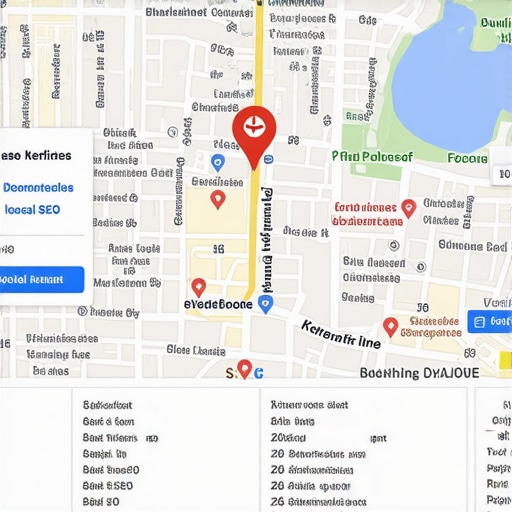
While many assume that optimizing for Google Maps and local SEO is straightforward—claim your listing, ensure address accuracy, and gather reviews—the nuanced reality is far more intricate. One commonly underestimated aspect is the impact of local authority. Businesses often focus solely on their immediate tactics without realizing that Google weighs backlinks and citations from authoritative Louisiana sources heavily when ranking in New Orleans or across the state. This oversight can cause even well-optimized listings to languish in unseen corners of the map.
Another subtle trap is neglecting schema markup and geo-tagging at the micro-level. While many think that bulk inserting location keywords suffices, detailed structured data and precise geo-tags in website code signal to Google exactly where your business is—improving visibility, especially in competitive neighborhoods like the French Quarter. Overlooking this can lead to missed opportunities in narrowly targeted local searches.
Why Do So Many Local SEO Efforts Miss The Mark in Louisiana?
This often traces back to a focus on superficial tactics rather than core signals. For example, over-reliance on reviews without ensuring they are genuine and diverse can backfire, as Google’s algorithms become savvy at detecting fake or manipulated feedback—engineered reviews don’t pass the authenticity test and may be penalized. Additionally, ignoring dynamic local content engagement such as local blogs, events, and community involvement limits your backlink profile and diminishes your overall trustworthiness in Google’s eyes.
Be cautious of the misconception that once your GMB profile is verified, the job is done. Instead, routine ongoing optimization, including updating photos, posts, and responding to reviews, sustains and boosts your rankings. Without consistent care, your position can slip—especially in hyper-competitive markets like New Orleans where rankings fluctuate frequently.
Furthermore, many overlook the importance of mobile optimization and user experience. In Louisiana, where tourists use mobile devices to find local eateries and shops, a website that’s not mobile-friendly or loads slowly can negate years of SEO effort. Google’s algorithms prioritize user experience, so neglecting responsive design or quick load times can sink your local visibility—regardless of your map pin accuracy.
In mastering these subtleties, avoid the easy trap of thinking SEO is set-and-forget. Instead, treat it as an ongoing relationship that requires finesse, local insight, and adaptation. For more advanced strategies tailored to Louisiana’s unique landscape, explore our comprehensive guide to local SEO mastery in 2025. Remember, the difference often lies in the details that most overlook—tune into these hidden signals for a real edge. Have you ever fallen into this trap? Let me know in the comments.
How do I maintain and scale my local SEO strategies over time?
Staying ahead in Louisiana’s competitive local search landscape requires more than initial setup. I rely on a combination of specialized tools and disciplined processes to ensure my Google Maps rankings and overall local visibility remain strong and continue to grow. One must invest in both automation and manual audits to identify and rectify issues promptly.
Google Search Console is my first stop for monitoring website performance. It provides detailed insights into search queries, indexing issues, and mobile usability—crucial factors in Louisiana’s mobile-first environment. I check it weekly to catch any crawl errors or manual actions that could harm my rankings.
Complementing this is BrightLocal, a powerful platform I use for local listing management. It helps me keep my NOLA business listings consistent across directories, monitor reviews, and analyze local rankings. Consistency in citations is vital for building authority, as I highlighted in our comprehensive Louisiana SEO guide.
For on-the-ground insights and geo-relevance, I leverage GeoImpressions‘s local ranking tracker. It enables me to see how my clients’ maps rankings fluctuate daily and provides actionable data to tweak strategies in real time.
Keyword tracking is another essential aspect. Tools like SEMrush or Ahrefs allow me to monitor keyword positions in Louisiana’s specific markets—New Orleans, Baton Rouge, Lafayette—and adapt content and optimization tactics accordingly.
To streamline content updates and review management, I rely on Whitespark’s Reputation Builder. It automates review requests and helps me gather authentic feedback consistently, reinforcing local signals that Google factors into rankings.
Looking ahead, the future of local SEO will likely see increased emphasis on schema markup and AI-driven local search insights. Google’s evolving algorithms, as explained in Google’s official developer documentation, prioritize microdata and rich snippets that make your listings stand out. Embracing these technical upgrades now will position you for sustained success.
My advice? Incorporate at least one of these tools into your routine, perhaps starting with BrightLocal to audit your citation consistency. Regular maintenance with specialized software isn’t just about fixing issues; it’s about scaling your presence intelligently. Want to learn how to integrate these tools into a comprehensive strategy? Check out our 2025 Louisiana local SEO blueprint for more.
In the evolving landscape of local search, staying proactive is key. The tools I’ve shared are battle-tested, and leveraging them will help you stay visible and competitive in Louisiana’s vibrant markets. Start with one, master it, and then expand your toolkit to keep your maps ranking high as the landscape evolves.
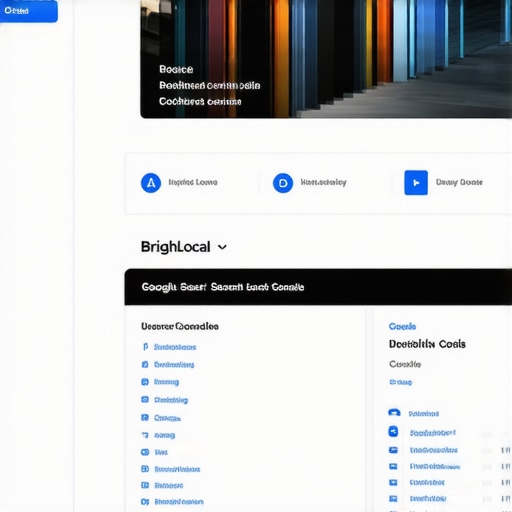
Remember, consistent maintenance combined with strategic scaling is the secret to long-term success. As Google’s algorithms grow smarter, so should your approach—embracing automation, data-driven decisions, and technical finesse. Ready to take your local SEO to the next level? Dive into these tools and see your Louisiana business soar in local searches!
What I Wish I Knew Before Playing the Local SEO Game in Louisiana
- Focusing solely on claiming your Google My Business profile isn’t enough. The real secret is in continuous optimization and local authority building, which most overlook until it’s too late.
- Consistency in your business address across all platforms isn’t just a formality—it’s the backbone of map accuracy. A small discrepancy can drop your pin or hide your shop from local searches entirely.
- Geo-tagging your website and embedding detailed schema markup signals precision to Google, but neglecting this micro-level detail is a common mistake that keeps your business invisible in competitive neighborhoods.
- Genuine reviews and high-quality photos aren’t just social proof—they actively influence your ranking. Ignoring this social proof building misses a simple yet powerful opportunity to boost visibility.
- Local citations in authoritative Louisiana directories act as digital breadcrumbs that Google trusts. Building a strong backlink profile from local sources can make the difference between obscurity and prominence.
Tools That Changed My Approach to Local Map Domination
- BrightLocal: I swear by this platform for managing citations, reviews, and local rankings; it keeps my listings consistent and authoritative.
- Google Search Console: Essential for monitoring website health, fixing crawl errors, and understanding search queries specific to Louisiana markets.
- SEMrush: Tracking local keywords across Louisiana cities helps me tailor content and ensure my shop stays relevant in various neighborhoods.
- Whitespark’s Reputation Builder: Automating review requests saves time and guarantees authentic feedback that Google loves.
Embrace the Hustle: Your Next Moves in Local SEO
Don’t wait for your competitors to pull ahead. The Louisiana local SEO landscape rewards those who are proactive, detail-oriented, and willing to adapt. Whether you’re claiming your Google Maps pin or building local citations, every small effort compounds into significant visibility gains. Ready to elevate your Google Maps rankings and become a staple in the Louisiana market? Dive into our 2025 local SEO strategies guide and start transforming your presence today.